

The evolution of gambling a journey through history and culture
The Ancient Roots of Gambling
The origins of gambling can be traced back thousands of years to ancient civilizations. Archaeological findings suggest that the Chinese were engaged in betting activities as early as 2300 BC, utilizing rudimentary dice made from bones. Similarly, the ancient Egyptians also participated in games of chance, often betting on various outcomes in both sports and board games. These early examples of gambling highlight its intrinsic connection to human nature and the desire for risk and reward, akin to modern platforms like olympofficial.com.
As societies evolved, so did gambling practices. In ancient Rome, betting became a popular pastime, particularly during chariot races and gladiatorial contests. Romans developed various games, and some forms of gambling were officially sanctioned, albeit with strict regulations. The advent of legal gambling in Rome laid the groundwork for future structures and norms, influencing how gambling would be integrated into cultures around the world.
Moreover, gambling was not merely a recreational activity; it often held significant cultural value. For instance, in many indigenous tribes, gambling was incorporated into rituals and ceremonies, reflecting a deeper spiritual connection to chance and fortune. This interplay between gambling, culture, and societal norms established a foundation that continues to influence modern gambling practices.
The Rise of Gaming in the Middle Ages
The Middle Ages witnessed a transformation in gambling as it transitioned from ancient traditions to more structured forms. During this period, games like dice and cards gained immense popularity across Europe. The invention of playing cards in the 14th century revolutionized gambling, providing new avenues for betters to engage in games of chance. These games were often played in taverns and royal courts, reflecting the social dynamics of the time.
With the establishment of gaming houses, gambling became more institutionalized. The first official gambling houses appeared in Italy, providing a regulated environment for players. This era also saw the rise of lotteries, initially used to fund public projects. By introducing the concept of drawing lots for prizes, societies began to incorporate gambling into civic life, providing a source of revenue that would prove beneficial for public welfare.
Yet, this growing popularity of gambling was met with resistance from various factions, including the Church, which condemned the practice as sinful. This conflict led to fluctuations in gambling regulations across Europe, creating a patchwork of legal frameworks. Nonetheless, the enduring popularity of gambling during the Middle Ages indicates its deeply ingrained role in human society and culture.
The Evolution of Modern Gambling Practices
The 17th and 18th centuries marked significant advancements in gambling, particularly with the establishment of state-run lotteries and the rise of casinos. The first modern casino, the Casino di Venezia, was opened in Italy in 1638, representing a shift towards commercialized gambling. This development catered to an emerging class of wealthy individuals seeking entertainment and luxury, intertwining leisure with gambling.
As gambling spread across Europe, various games like baccarat, blackjack, and roulette began to flourish. These games not only captivated the public but also became staples in social gatherings. The introduction of roulette, in particular, captivated players with its thrilling randomness, making it a favorite in casinos. The allure of these games significantly influenced gambling culture, leading to the establishment of iconic gaming establishments in cities like Monte Carlo and Las Vegas.
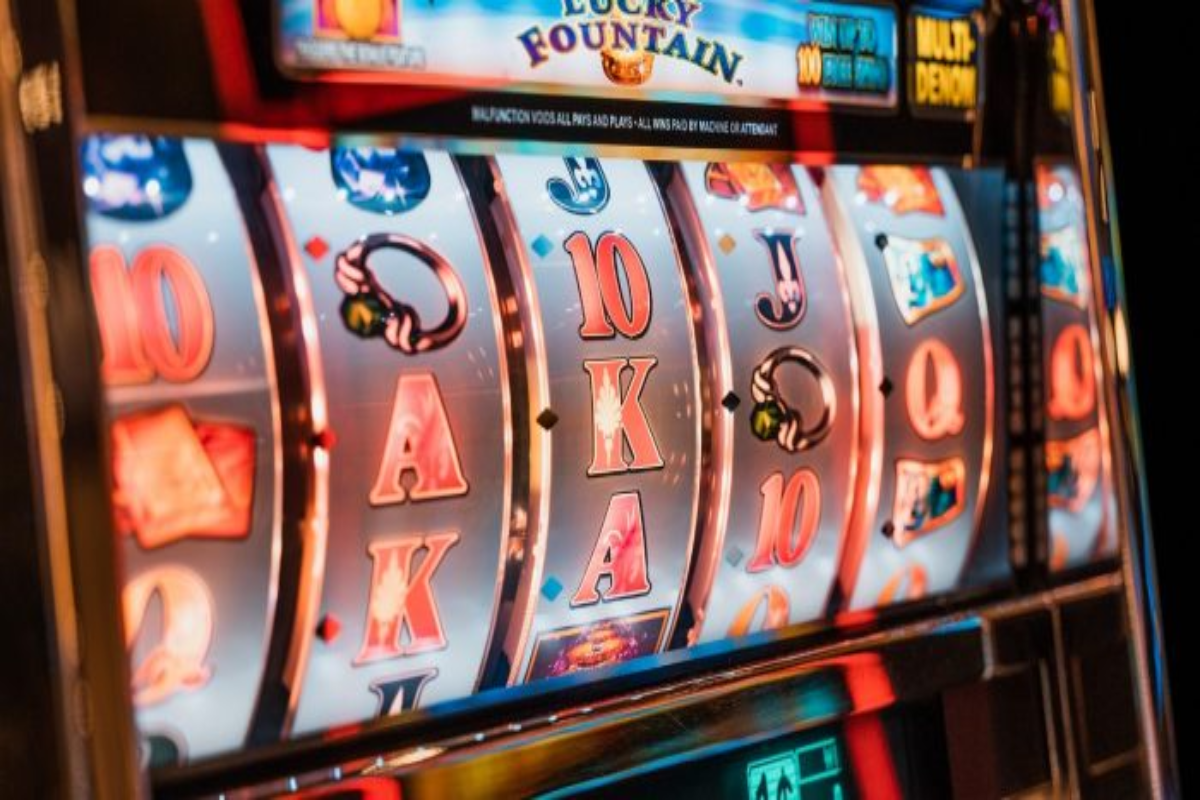
The 20th century further revolutionized gambling with the advent of technology. The invention of slot machines in the late 1800s created an entirely new gambling experience. These machines quickly gained popularity due to their simplicity and the chance for substantial payouts. The subsequent rise of online gambling in the late 20th century has changed the landscape, allowing players to engage in gambling activities from the comfort of their homes, broadening access and transforming the industry.
Gambling in Contemporary Society
Today, gambling is a global phenomenon, embraced by diverse cultures and societies. From online platforms offering sports betting to state-operated lotteries, the industry has evolved significantly. In many regions, gambling is now considered a mainstream form of entertainment. It plays a critical role in generating revenue for governments and promoting tourism, particularly in gambling hubs like Las Vegas, Macau, and Singapore.
The impact of technology has been profound, leading to the rise of mobile gaming and live dealer options, creating immersive experiences that attract millions of players. However, this accessibility has also raised concerns about responsible gambling. Governments and organizations are increasingly focusing on player protection and promoting awareness about the risks associated with gambling.
Moreover, gambling has woven itself into popular culture, influencing films, music, and literature. Iconic films like “Casino Royale” and “The Hangover” have popularized the thrill of gambling, further embedding it in societal narratives. This cultural significance underscores the complex relationship between gambling and identity, illustrating how it reflects both the desires and dilemmas of contemporary life.

Exploring Online Gaming Platforms
As the gambling landscape continues to evolve, online gaming platforms have emerged as a critical player in the industry. Websites like Olymp Casino offer a vast selection of games, ranging from traditional table games to innovative slots and live dealer experiences. Established with user-friendly interfaces, these platforms are designed to cater to both novice and experienced players, enhancing accessibility and convenience.
Moreover, online casinos often feature enticing promotions and bonuses, enticing new players to join the community. The competitive nature of the online gambling market drives platforms to continuously innovate, offering exclusive titles and engaging user experiences. This emphasis on customer engagement and entertainment has positioned online gaming as a dominant force in the broader gambling ecosystem.
Furthermore, the transition to online platforms reflects a significant cultural shift in how gambling is perceived and practiced. With an increasing number of players turning to digital options, the future of gambling is undoubtedly intertwined with technology. As these platforms evolve, they will continue to shape the gambling culture and provide opportunities for people worldwide to engage with games of chance in a modern context.
