

The Misconception of Luck
Luck is often seen as the primary factor when it comes to winning in casinos. Many people walk into a gambling establishment with the belief that a few lucky spins on a slot machine or a card game can lead to financial windfalls. This notion can be dangerously misleading. While luck plays a role in short-term outcomes, relying on it exclusively overlooks the complex strategies and skills that can significantly influence overall results, especially when considering options like online pokies that require player insight. Understanding this distinction can help gamblers approach their gaming experience with a more balanced perspective.
The reality is that many casino games are built on mathematical probabilities. For instance, a game’s design, such as the odds and payout ratios, dictates how often players will win or lose over time. Players who depend solely on luck may find themselves facing a losing streak without realizing that a strategic approach could yield better results. For example, in games like blackjack, knowledge of basic strategy can drastically reduce the house edge, tipping the scales in favor of the player when employed correctly.
Additionally, the psychology of gambling often feeds into the belief in luck. Players may recall a time when they won unexpectedly and attribute that outcome to fortuitous circumstances. However, this selective memory can obscure the fact that most outcomes are governed by probability rather than chance alone. A deeper understanding of both luck and skill is essential for anyone serious about maximizing their chances in casinos.
The Importance of Strategy
To counterbalance luck, a well-structured strategy is key for successful casino play. For example, in table games like poker and blackjack, players who incorporate strategic elements such as calculating odds, understanding game dynamics, and reading opponents can gain a significant advantage. Developing a sound strategy helps players navigate the unpredictable nature of gambling and can lead to more consistent returns over time. This emphasizes the fact that while luck may influence individual hands or spins, overall success hinges on a player’s ability to strategize effectively.
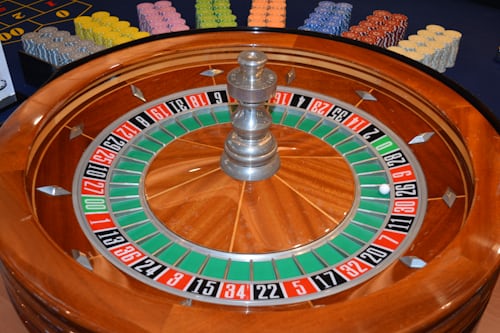
Moreover, different games require different strategies. In games like roulette, players benefit from understanding betting systems and the layout of the wheel. Even slot machines, traditionally viewed as purely games of chance, can be approached with a strategy. For instance, selecting machines with higher payout percentages or choosing games that align with one’s intended playing style can improve the player’s experience. Thus, strategy is a critical component in balancing the luck factor.

Additionally, players who take the time to study their chosen games can transition from casual players to more skilled competitors. This proficiency can lead to greater enjoyment as well as a higher frequency of wins. Casinos often offer resources and guides to help players enhance their skills, underscoring the point that understanding gameplay mechanics and strategies can improve the likelihood of success over time.
The Role of Bankroll Management
Bankroll management is another crucial aspect that goes beyond luck in casino gambling. Without a disciplined approach to managing one’s funds, even the luckiest players can quickly find themselves out of money. This practice involves setting limits on how much to spend and ensuring that those limits are adhered to, regardless of whether one is winning or losing. Players who fail to manage their bankroll effectively often fall victim to reckless betting that can wipe them out, regardless of their perceived luck.
Moreover, implementing a solid bankroll management strategy can enhance a player’s enjoyment of their gambling experience. For instance, players can set aside a specific amount for entertainment, allowing them to gamble without the stress of financial strain. This approach not only preserves the thrill of the game but also keeps gambling in a healthy perspective, reducing the temptation to chase losses or bet more in hopes of a lucky break.
Implementing techniques such as the “50% rule,” where players only wager half of their bankroll on a single gambling session, can be effective. This prudence allows for extended playtime and a greater chance of winning over multiple sessions. By focusing on responsible gambling practices, players can mitigate the risks associated with gambling and enjoy better long-term outcomes, underscoring how careful financial planning can lead to more successful gaming experiences.
The Influence of Casino Psychology
Casino environments are specifically designed to induce particular psychological responses, which underscore why luck alone isn’t enough to achieve consistent wins. With bright lights, sounds, and the presence of other excited gamblers, casinos create an atmosphere that can affect decision-making and behavior. Players often feel an adrenaline rush, which can lead to impulsive betting and reliance on luck rather than a thoughtful strategy. Recognizing this psychological play is vital for any serious gambler.
Additionally, the concept of the “gambler’s fallacy” plays a significant role in how players perceive luck. This fallacy is the mistaken belief that past events can influence the probability of future outcomes in random games. For example, after a long series of losses at a slot machine, a player might believe they are “due” for a win. This flawed thinking can lead to larger bets and increased losses, underscoring the importance of a strategic mindset that prioritizes calculated decision-making over blind faith in luck.
Furthermore, many successful gamblers are acutely aware of the emotional triggers that reinforce risky behavior. They often employ techniques such as mindfulness to remain composed under pressure and make rational choices. By understanding the psychological elements at play and mastering self-control, players can better navigate the gambling landscape and increase their chances of coming out ahead, proving that luck can only take one so far without a sound mental approach.
Conclusion: The Balanced Approach to Casino Gaming
In summary, while luck is an undeniable factor in casino gaming, it cannot stand alone as a strategy for success. Players who hope to achieve meaningful wins must embrace a balanced approach that combines skill, strategy, bankroll management, and psychological awareness. This multifaceted perspective not only enhances the gaming experience but can lead to improved results over time.
By understanding the nuances associated with different games, establishing a strategic gameplay approach, and managing emotions and finances, players can create a comprehensive framework for more successful gambling. This holistic approach allows individuals to enjoy the thrill of the casino while also fostering responsible gambling habits, ultimately leading to a more enjoyable and potentially lucrative experience.
For those looking to deepen their knowledge and improve their casino gaming skills, various resources are available to help. By seeking out education and community support, players can become more informed and strategic, transforming the unpredictable nature of gambling into a more structured and enjoyable pursuit. Understanding that luck is just one piece of the puzzle can empower players to take control of their gaming journey and strive for success.
